As we move through 2026, the market for hot shrink packag equipment continues to evolve, driven by demands for greater efficiency, sustainability, and automation. For businesses looking to invest in a hot shrink pack equipment, the variety of options can be overwhelming. The three most common configurations buyers face are semi-automatic, fully automatic, and sleeve wrappers (also known as side-sealers).
Choosing the right machine is not about which one is the “best” on paper, but which is the best fit for your specific production volume, product mix, and budget. This guide breaks down the differences, advantages, and ideal use cases for each type to help you make an informed decision in 2026 .
Part 1: Understanding the Core Components
Before diving into the machine types, it’s helpful to understand that any shrink wrap system generally consists of two main parts, which may be combined or separate:
- The Sealer: This applies the film around the product and creates the seal.
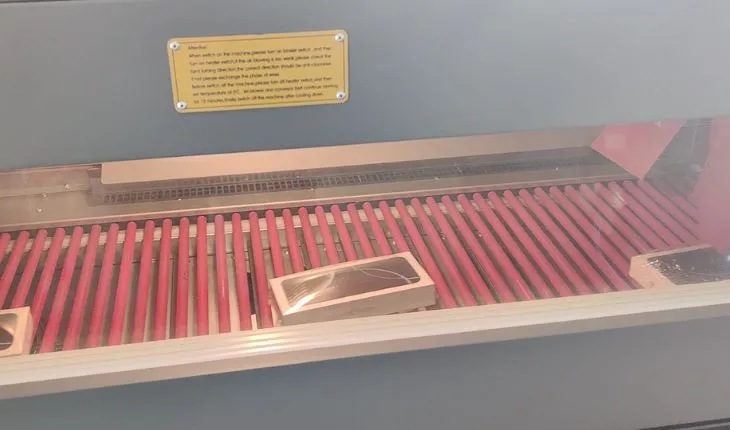
- The Heat Tunnel: This applies controlled heat to shrink the film tightly around the product .
The level of automation dictates how products move between these stages.
Part 2: The Three Main Contenders
1. Semi-Automatic Shrink Wrap Machines (L-Bar Sealers)
Semi-automatic machines, often referred to as L-bar sealers, are the workhorses of medium-volume production. An operator manually places the product into a film curtain and initiates the seal cycle. The machine then cuts and seals the film. The packaged product is then manually transferred to a heat shrink tunnel for the final step .
Best For:
- Small to medium-scale operations (e.g., under 20 packs per minute) .
- Facilities that package a wide variety of product sizes and shapes, as changeovers are quick and intuitive.
- Businesses with a lower upfront investment budget .
Pros:
- Flexibility: Easy to adjust for different products.
- Lower Entry Cost: Less expensive than fully automated systems .
- Small Footprint: Ideal for operations with limited floor space .
Cons:
- Labor Dependent: Requires a dedicated operator, which increases long-term labor costs and introduces variability .
- Lower Throughput: Speed is limited by the operator’s ability to feed the machine.
2. Fully Automatic Inline Shrink Wrap Systems
For high-volume production lines, fully automatic systems are the standard. In this configuration, products are fed automatically from your existing production line via a conveyor. The machine automatically collates the products (if bundling), indexes them into the sealing section, and then conveys them through the heat tunnel—all without operator intervention .
Best For:
- High-volume manufacturing and logistics fulfillment (e.g., 30 to 100+ packs per minute) .
- Facilities with consistent product sizes and shapes, such as beverage bottling plants or food processing lines.
- Businesses looking to minimize labor costs and maximize throughput .
Pros:
- High Throughput: Capable of running 24/7 with consistent speed .
- Labor Savings: Frees up staff for other tasks, providing a rapid return on investment (ROI) .
- Consistency: Every package is sealed and shrunk with the same precision, reducing waste .
Cons:
- High Initial Investment: Significantly more expensive than semi-automatic models.
- Space Requirements: Requires more floor space for the machine and infeed/outfeed conveyors.
- Less Flexible: Changing product sizes can take longer and may require change parts .
3. Sleeve Wrappers (Side-Sealers)
Sleeve wrappers, often called side-sealers, are a specialized type of automatic or semi-automatic machine. Unlike L-bar sealers which cut the film on three sides, sleeve wrappers create a continuous tube of film around the product. They are particularly well-suited for bundling multiple products together, such as multipacks of water bottles or cans, often without the need for a supporting tray .
Best For:
- Bundling applications: Creating multi-packs for beverages, detergents, and canned goods .
- Products that are stable and can be pushed through a film curtain.
- Operations that require a tight, “bulls-eye” style wrap .
Pros:
- Excellent for Bundling: The most efficient way to create stable, multi-product bundles .
- Material Flexibility: High-end models can switch between shrink and stretch film for different applications .
- Continuous Operation: Can run intermittently or in continuous motion for very high speeds.
Cons:
- Product Suitability: Best for products with a consistent profile; less suitable for very unstable or odd-shaped items.
Part 3: Comparison at a Glance
To help you visualize the differences, here is a quick comparison of the three main types:
Part 4: Key Selection Criteria for 2026
Beyond the machine type, here are critical factors to evaluate to ensure you choose the right system for the long term.
1. Production Throughput (Current & Future)
Be honest about your volume. A semi-automatic machine is perfect for a startup, but if you anticipate doubling production in two years, investing in a scalable automatic system from the start could be more cost-effective .
2. Film Compatibility
The type of film you use impacts both the machine requirements and the final product quality.
- POF (Polyolefin): The most popular choice for retail and food packaging due to its high clarity, strength, and food-safe properties. It shrinks uniformly and has a wide sealing window .
- PE (Polyethylene): A tougher, more durable film often used for heavy-duty bundling, such as beverage multipacks or building materials. It requires a different sealer technology (impulse or hot knife) and higher tunnel temperatures .
- PVC: A lower-cost option, but its use is declining due to environmental concerns and its tendency to produce fumes during shrinking . Ensure your facility has proper ventilation if using PVC .
3. Temperature Control and Energy Efficiency
A high-quality machine will feature precise, multi-zone temperature control, keeping fluctuations within ±2°C. This prevents burn-through or incomplete shrinking . In 2026, energy efficiency is also paramount. Look for tunnels with double insulation and optimized heat circulation to reduce electricity or gas consumption .
4. Product Dimensions & Characteristics
- Size: Ensure the seal bar width and tunnel opening can accommodate your largest product .
- Shape: Stable, rectangular products are easy to handle. Unstable or round items might require special infeed systems like star wheels or scrolling devices . For very small, unstable items like batteries, specialized machines with horizontal sleeve application exist .
5. Integration and Upgrades
Consider how the machine will fit into your existing line. Can it be integrated with upstream conveyors or downstream case packers and palletizers? Modular systems that allow for future upgrades (e.g., adding automatic collators or inspection systems) offer better long-term value .
Conclusion: Matching the Machine to the Mission
There is no single “best” shrink wrapping machine—only the best one for your specific operation.
- Choose a Semi-Automatic L-Sealer if you value flexibility, have moderate production needs, and are working with a limited budget.
- Choose a Fully Automatic Inline System if you need to move high volumes of consistent product with minimal labor and maximum efficiency.
- Choose a Sleeve Wrapper if your primary goal is to create secure, attractive multi-product bundles at high speed.
By carefully analyzing your product, production goals, and total cost of ownership—including labor and energy—you can confidently select the machine that will drive your packaging line forward in 2026 and beyond.