
The Rapid Growth of the Fresh and Convenience Food Market
Consumer lifestyles have changed dramatically over the past decade. Busy schedules, urban living, and increasing demand for ready-to-eat products have driven rapid growth in the fresh and convenience food sector.
Products such as prepared meals, fresh salads, sandwiches, cut fruits, frozen foods, bakery items, and snack packs are becoming increasingly popular worldwide. As demand grows, manufacturers face greater pressure to increase production capacity while maintaining food safety, product quality, and shelf life.
To meet these challenges, many companies are investing in automatic packaging solutions that streamline production processes, improve consistency, and reduce operational costs.
Modern food packaging systems have become essential tools for manufacturers seeking to remain competitive in a rapidly evolving market.
Why Packaging Is Critical for Fresh Foods
Packaging serves a much larger role than simply enclosing a product.
For fresh and convenience foods, packaging directly affects:
Product Freshness
Proper packaging protects products from external contamination, moisture loss, and environmental exposure.
Fresh produce, prepared meals, and ready-to-eat products require packaging that preserves quality throughout distribution and retail display.
Food Safety
Packaging systems help minimize human contact during production, reducing contamination risks and supporting food safety standards.
Product Appearance
Consumers often make purchasing decisions based on product presentation. High-quality packaging improves shelf appeal and strengthens brand perception.
Transportation Protection
Packaging helps prevent damage during handling, storage, and transportation while maintaining product integrity.
For these reasons, selecting the right food packaging solution is a strategic business decision rather than simply an operational requirement.
What Are Automatic Packaging Solutions?
Automatic packaging solutions combine multiple packaging processes into an integrated production system.
These systems can include:
- Product feeding systems
- Conveying equipment
- Shrink wrapping machinery
- Cartoning machines
- Case packers
- Checkweighers
- Labeling systems
- Inspection equipment
Instead of relying on manual labor for each packaging stage, manufacturers use automated systems to increase productivity and improve packaging consistency.
As production demands continue to rise, automated packaging lines provide significant advantages over traditional packaging methods.
Applications in Fresh Food Packaging
Fresh food products often have unique packaging requirements due to their short shelf life and sensitivity to environmental conditions.
Fresh Produce
Packaging systems are widely used for:
- Cut vegetables
- Fresh fruit packs
- Salad bowls
- Vegetable trays
Packaging helps preserve freshness while providing visibility and convenience for consumers.
Ready-to-Eat Meals
Prepared meal manufacturers require efficient packaging solutions capable of handling:
- Meal trays
- Food containers
- Portion packs
- Microwaveable products
Automatic packaging systems help maintain consistent production while ensuring attractive presentation.
Chilled and Frozen Foods
Products such as frozen vegetables, seafood, meat products, and ready meals require packaging solutions that perform reliably under cold-chain conditions.
Modern food packaging machinery supports these requirements through precise sealing and durable packaging performance.
Convenience Food Packaging Requirements
Convenience food products often experience high production volumes and fast market turnover.
Manufacturers typically require packaging systems that offer:
High-Speed Operation
Automated packaging lines help meet growing demand while maintaining production efficiency.
Flexible Packaging Formats
Convenience food products are available in numerous formats, including:
- Multipacks
- Single-serve portions
- Family-size packs
- Promotional packaging
Packaging machinery must accommodate frequent format changes without significant downtime.
Reliable Product Protection
Products must remain protected throughout transportation and retail display.
Automatic packaging equipment ensures packaging consistency and product stability.
Benefits of Automated Food Packaging Systems
Increased Production Efficiency
Automation significantly increases throughput compared to manual packaging operations.
Manufacturers can process larger volumes while maintaining consistent packaging quality.
Reduced Labor Costs
Automated systems reduce reliance on manual labor and help address workforce shortages.
Improved Packaging Consistency
Every package is produced according to predefined specifications, improving overall product quality.
Enhanced Food Safety
Automated handling minimizes direct product contact, supporting hygiene standards and regulatory compliance.
Better Traceability
Modern systems can integrate coding, labeling, and inspection technologies to improve product traceability throughout the supply chain.
Key Packaging Equipment for Fresh Food Manufacturers
Shrink Wrapping Systems
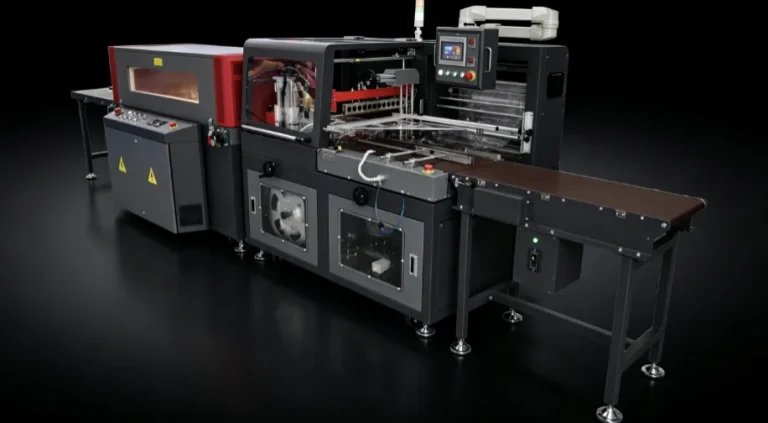
Shrink wrapping equipment is commonly used for:
- Multipack products
- Retail-ready packaging
- Promotional packaging
These systems provide secure packaging while maintaining excellent product visibility.
Cartoning Machines
Cartoners are ideal for packaging:
- Meal kits
- Frozen food products
- Snack products
They improve product presentation and transportation protection.
Case Packing Systems
Case packers automate secondary packaging operations and prepare products for logistics distribution.
Online Checkweighers
Checkweighers ensure weight accuracy and help manufacturers comply with food packaging regulations.
Together, these systems form complete automated food packaging lines.
Industry Trends Driving Packaging Automation
Several industry trends are accelerating investment in packaging automation.
Rising Labor Costs
Manufacturers increasingly seek automation to improve efficiency and reduce dependence on manual labor.
Food Safety Regulations
Stricter regulations require greater process control and product traceability.
Sustainable Packaging Initiatives
Consumers and retailers increasingly demand environmentally responsible packaging solutions.
E-Commerce Growth
Online food sales require durable packaging capable of protecting products during transportation.
Automatic packaging systems help manufacturers adapt to these changing market demands.
Choosing the Right Packaging Machinery Manufacturer
Selecting the right packaging partner is critical for long-term success.
Manufacturers should evaluate:
Industry Experience
Suppliers with experience in food packaging applications can provide more effective solutions.
Customization Capabilities
Every production environment is unique. Tailor-made packaging systems often deliver better performance than standard equipment.
Technical Support
Reliable installation, training, and after-sales service help ensure smooth operation.
Future Expansion Potential
Packaging systems should support future growth and changing production requirements.
Working with experienced packaging machinery manufacturers reduces implementation risks and improves long-term return on investment.
The Future of Fresh Food Packaging
The future of food packaging will be shaped by automation, sustainability, and digitalization.
Emerging technologies include:
- AI-powered inspection systems
- Smart production monitoring
- Predictive maintenance
- Sustainable packaging materials
- Fully integrated packaging lines
Manufacturers that adopt advanced packaging technologies today will be better positioned to compete in tomorrow’s market.
Conclusion
Automatic packaging solutions have become essential for fresh and convenience food manufacturers seeking to improve productivity, food safety, and packaging quality. By integrating advanced packaging machinery, inspection systems, and automation technologies, manufacturers can meet growing market demand while maintaining operational efficiency.
As consumer expectations continue to evolve, investing in modern food packaging systems will remain a key factor in achieving sustainable business growth and long-term competitiveness.